Our Blog
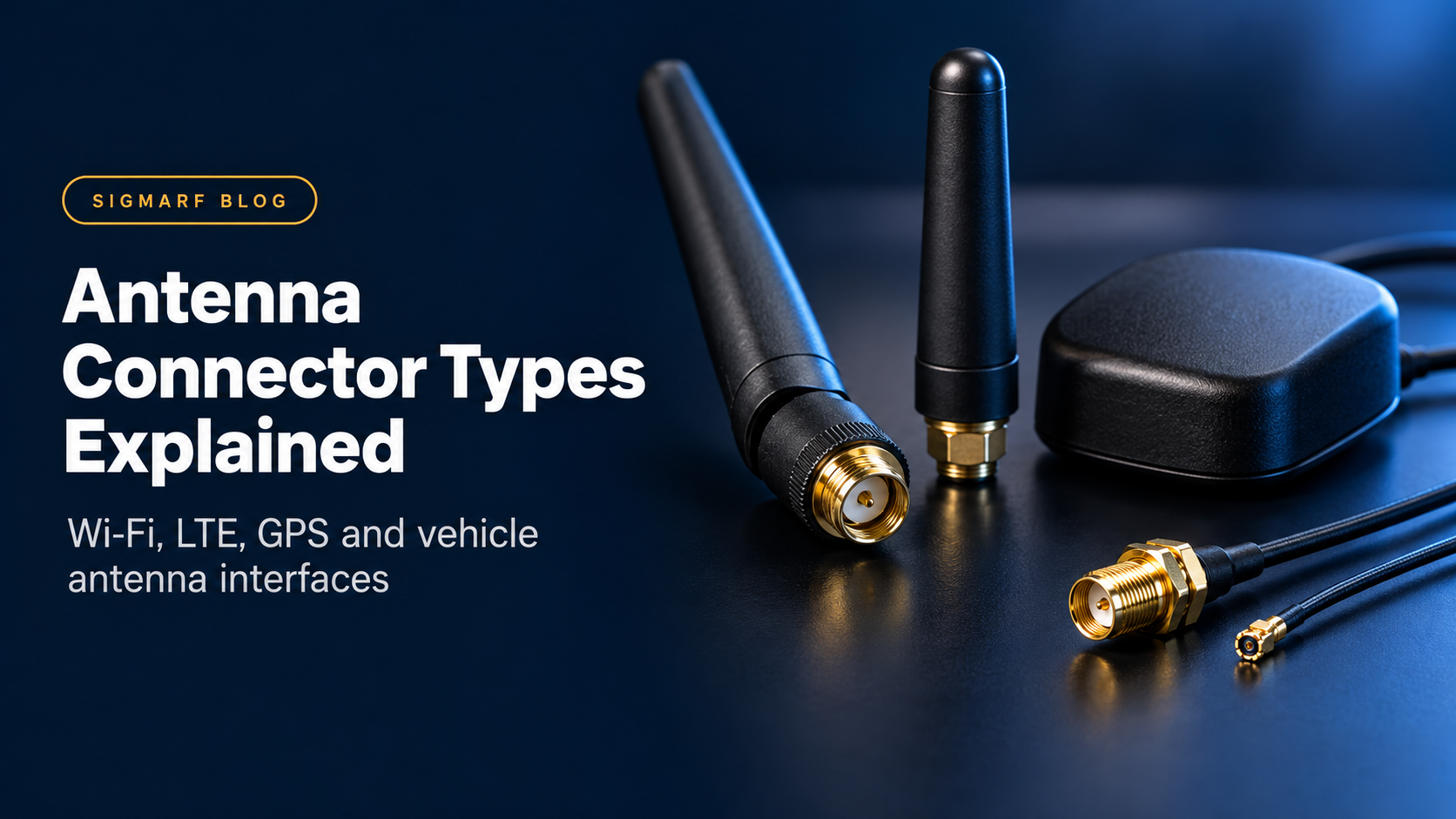
Antenna Connector Types: Wi-Fi, LTE, GPS and Vehicle Antennas
An antenna arrives with a connector, a radio arrives with a socket, and the two meet for the first time at installation. That is where the trouble starts: the router has RP-SMA, the LTE gateway has SMA, the outdoor panel antenna has N-type, and the… More
Posted on 11/1/2026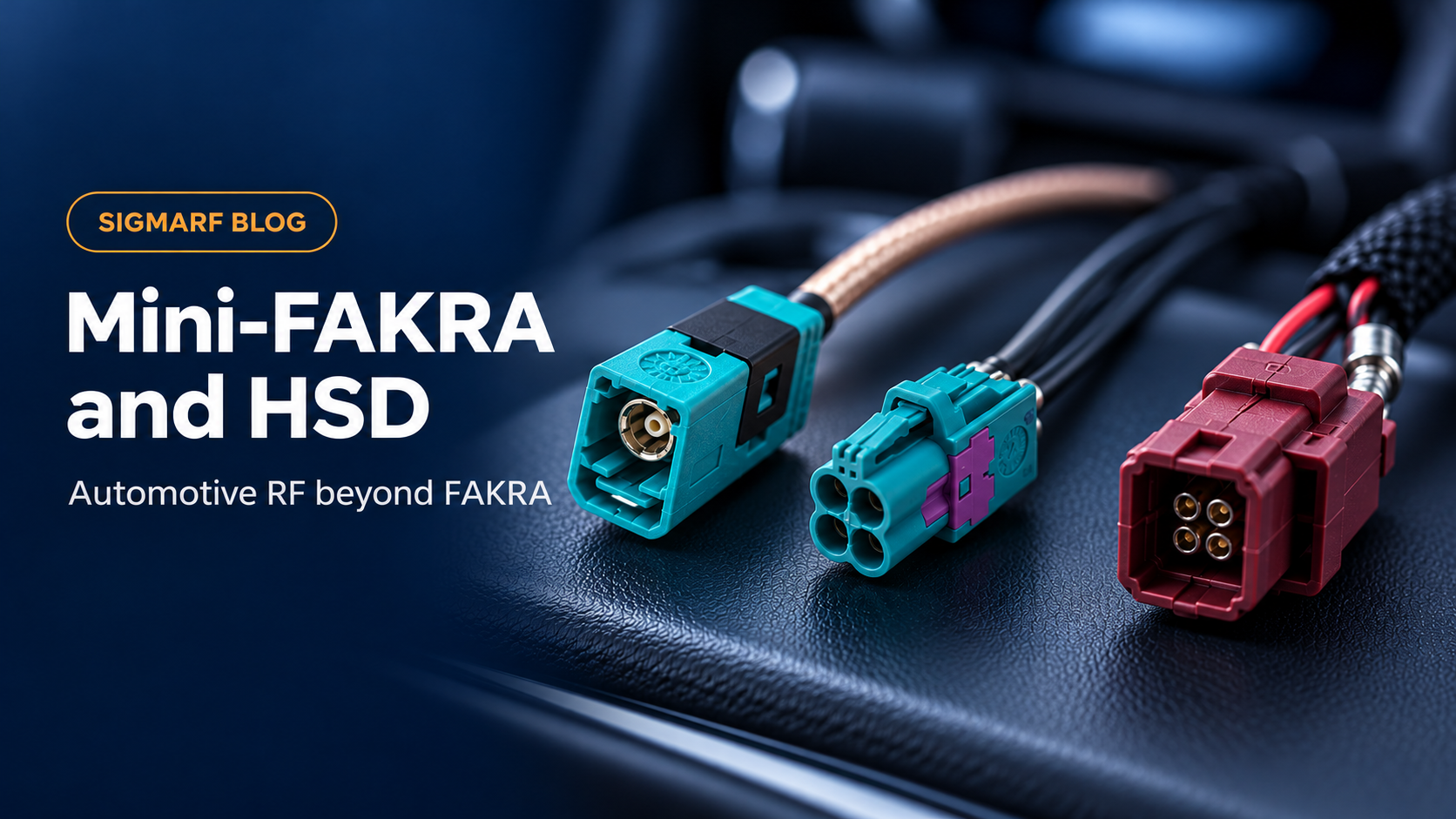
Mini-FAKRA and HSD Connectors: Automotive RF Beyond FAKRA
The camera module on a modern mirror needs a 6 Gbps video link. The antenna cluster on the roof carries GNSS, two cellular bands and satellite radio. The head unit wants four camera feeds over one quad cable. Plain FAKRA solved the antenna problem … More
Posted on 11/1/2026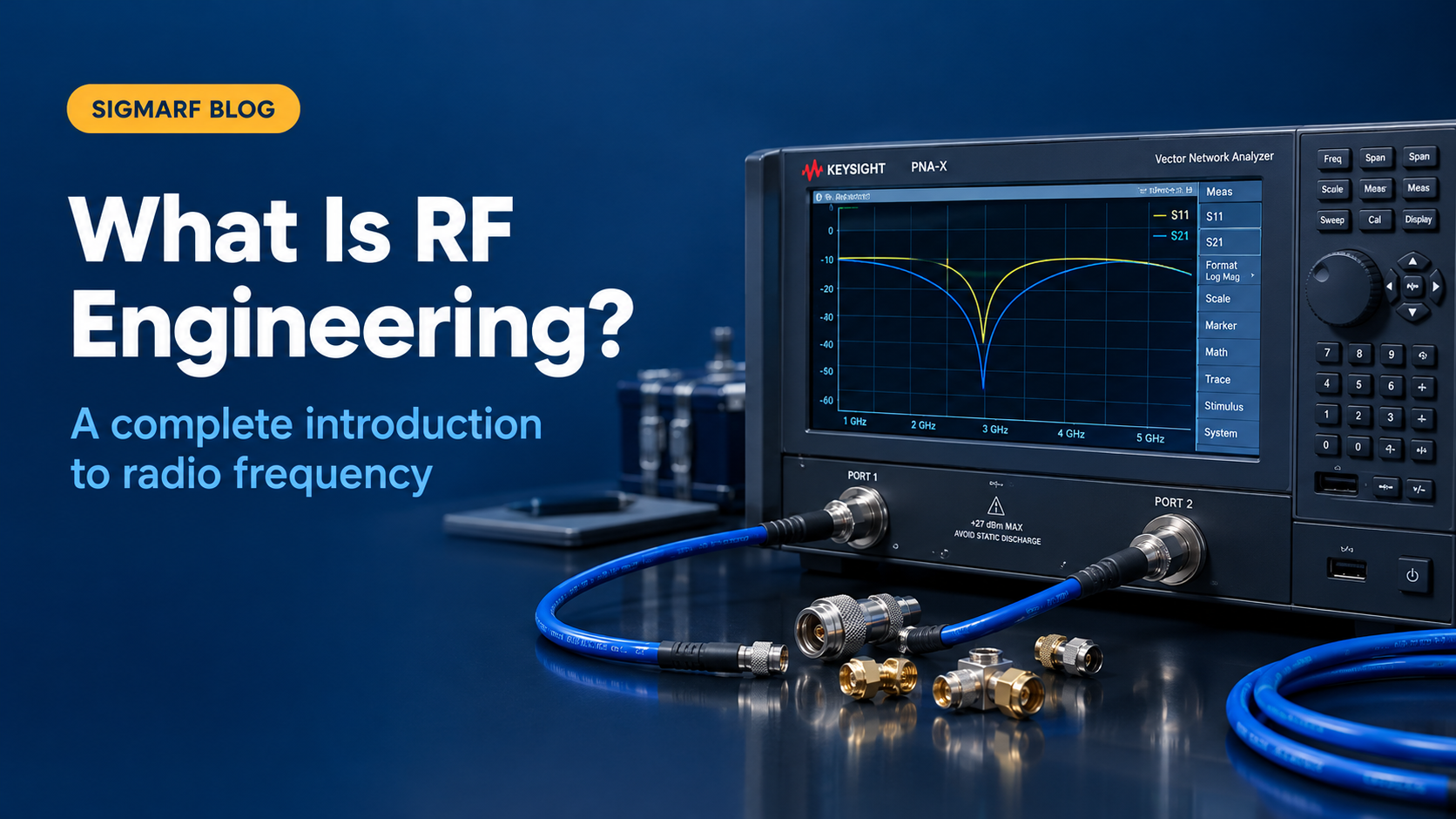
What Is RF Engineering? A Complete Introduction to Radio Frequency Technology
A sensor node on a farm gate, an aircraft transponder and an MRI machine all have one thing in common: somewhere in each of them, an engineer had to move a high-frequency signal from one place to another without losing it. That job, getting elect… More
Posted on 11/4/2026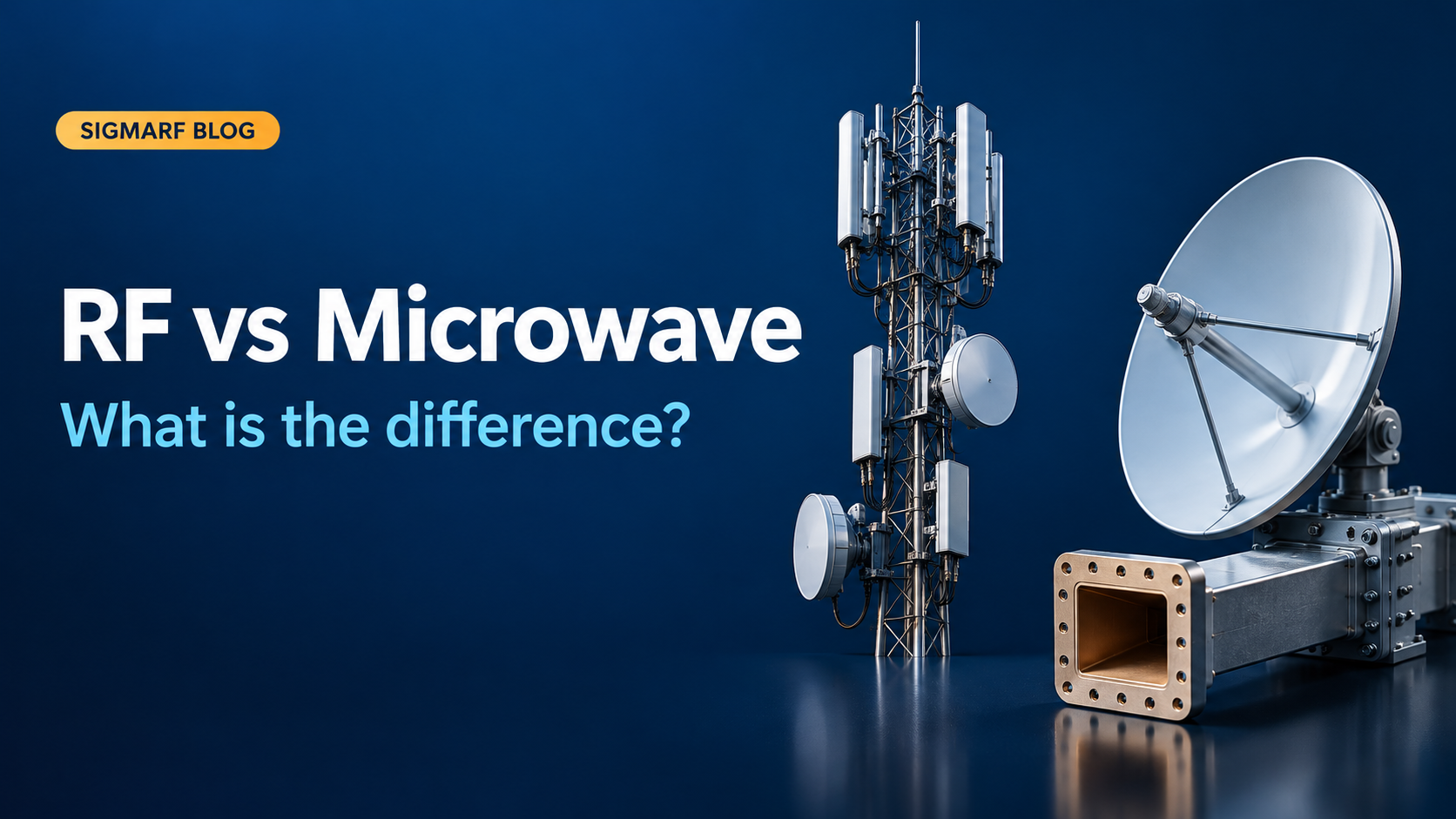
RF vs Microwave: What Is the Difference?
Two engineers look at the same 2.4 GHz antenna feed. One calls it RF, the other calls it microwave. Both are right, and the disagreement is harmless until a purchasing team orders the wrong cable or a designer uses low-frequency rules at high fre… More
Posted on 11/4/2026
Understanding the RF Frequency Spectrum: HF, VHF, UHF, SHF and EHF
A wildlife tracker in a forest uses a 150 MHz collar. A delivery drone talks back at 2.4 GHz. A satellite terminal uplinks at 29 GHz. All three are "RF", yet the hardware, the antennas and especially the cables could not be more different. The re… More
Posted on 11/4/2026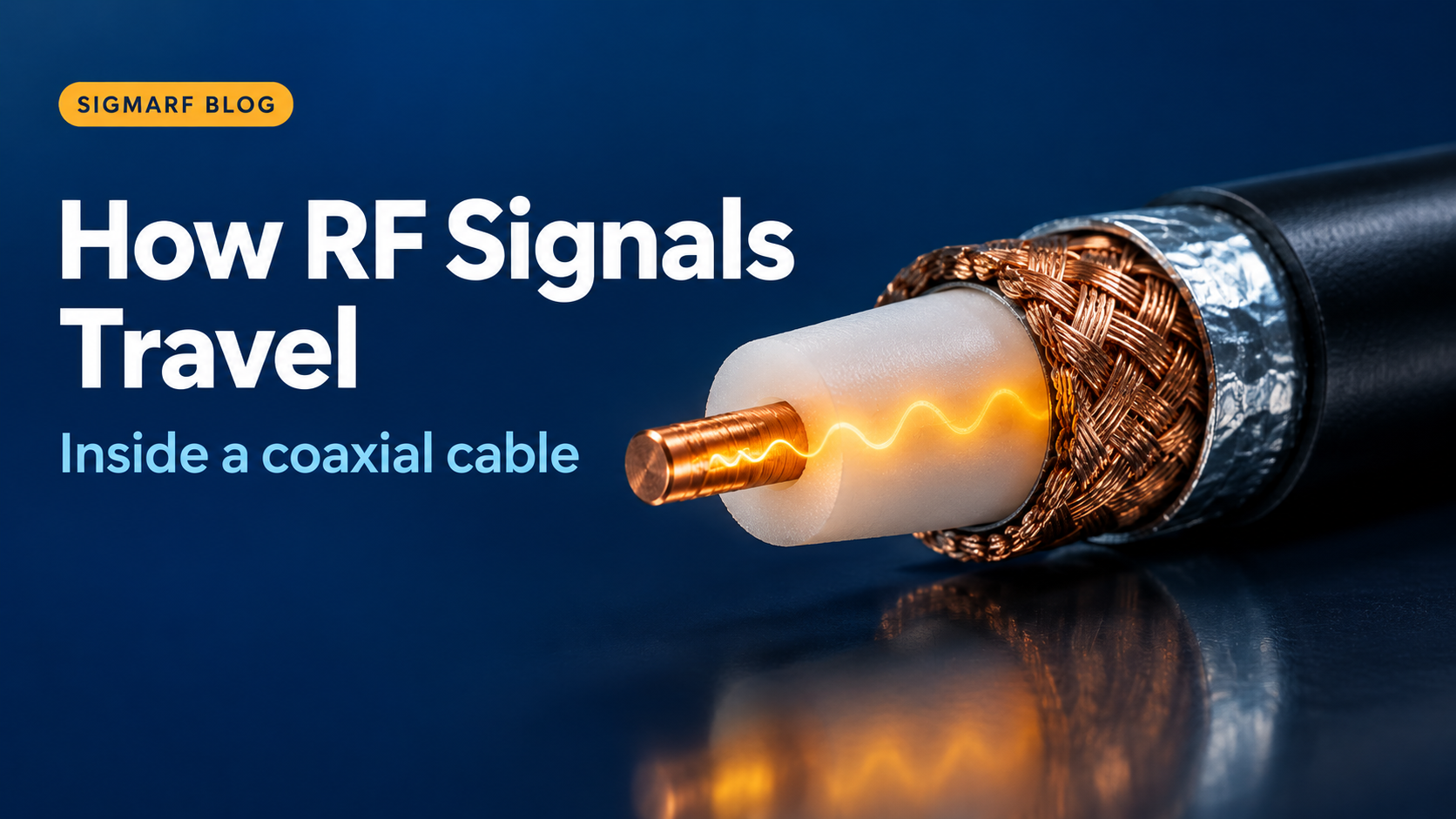
How Does an RF Signal Travel Through a Cable?
Ask someone how a signal gets down a coaxial cable and they usually picture electrons streaming through the center wire like water in a pipe. That picture works for DC. At radio frequencies it quietly breaks, and the real explanation, energy trav… More
Posted on 11/4/2026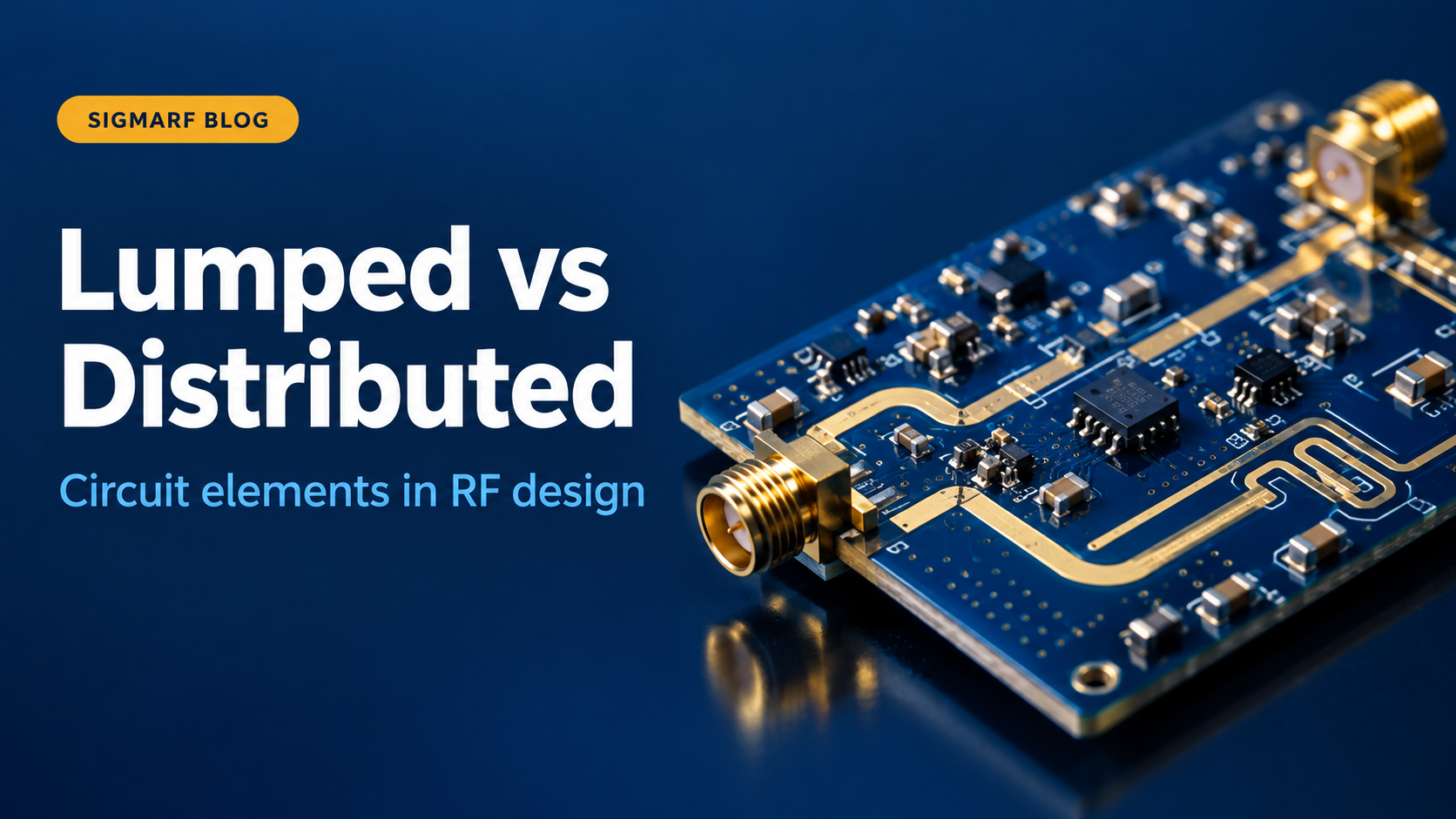
Lumped vs Distributed Circuit Elements in RF Engineering
A 100 ohm resistor measures 100 ohm on a multimeter, so it should behave like 100 ohm everywhere, right? Put that same resistor in a 5 GHz circuit and it shows up as a resistor in series with an inductor, with a capacitor across it for company. N… More
Posted on 11/4/2026
Understanding Electromagnetic Waves in RF Applications
Every wireless product you have ever used is a machine for shaping invisible waves. A phone sculpts them into gigabits of data, a radar uses them to measure the distance to an aircraft, and a microwave oven uses them to shake water molecules. All… More
Posted on 11/4/2026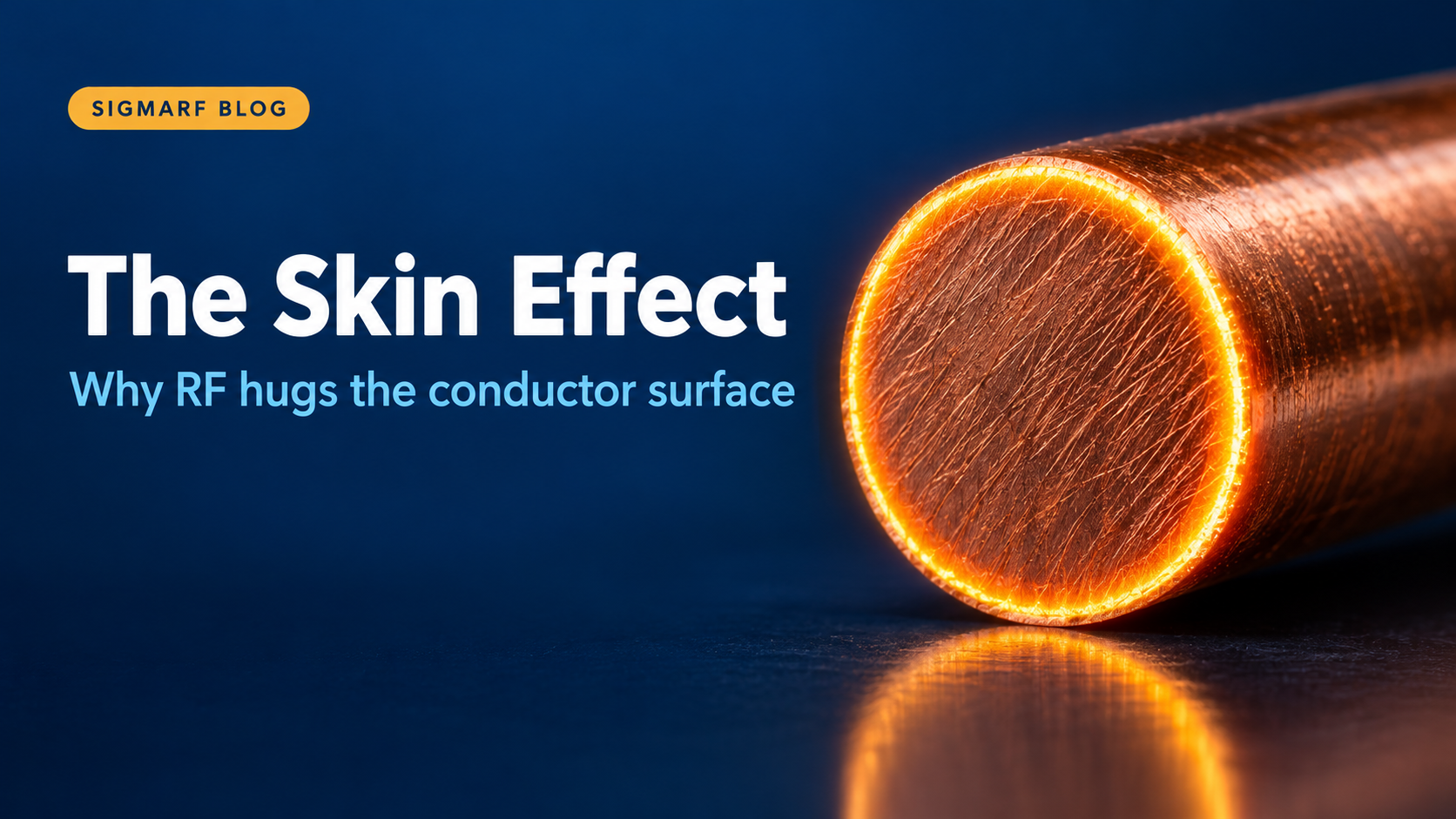
What Is the Skin Effect and How Does It Affect RF Cable Performance?
Measure a copper wire with a multimeter and you get a nice low resistance. Put that same wire in a 1 GHz circuit and its effective resistance is many times higher, as if the copper had quietly shrunk. Nothing about the metal changed. The current … More
Posted on 11/4/2026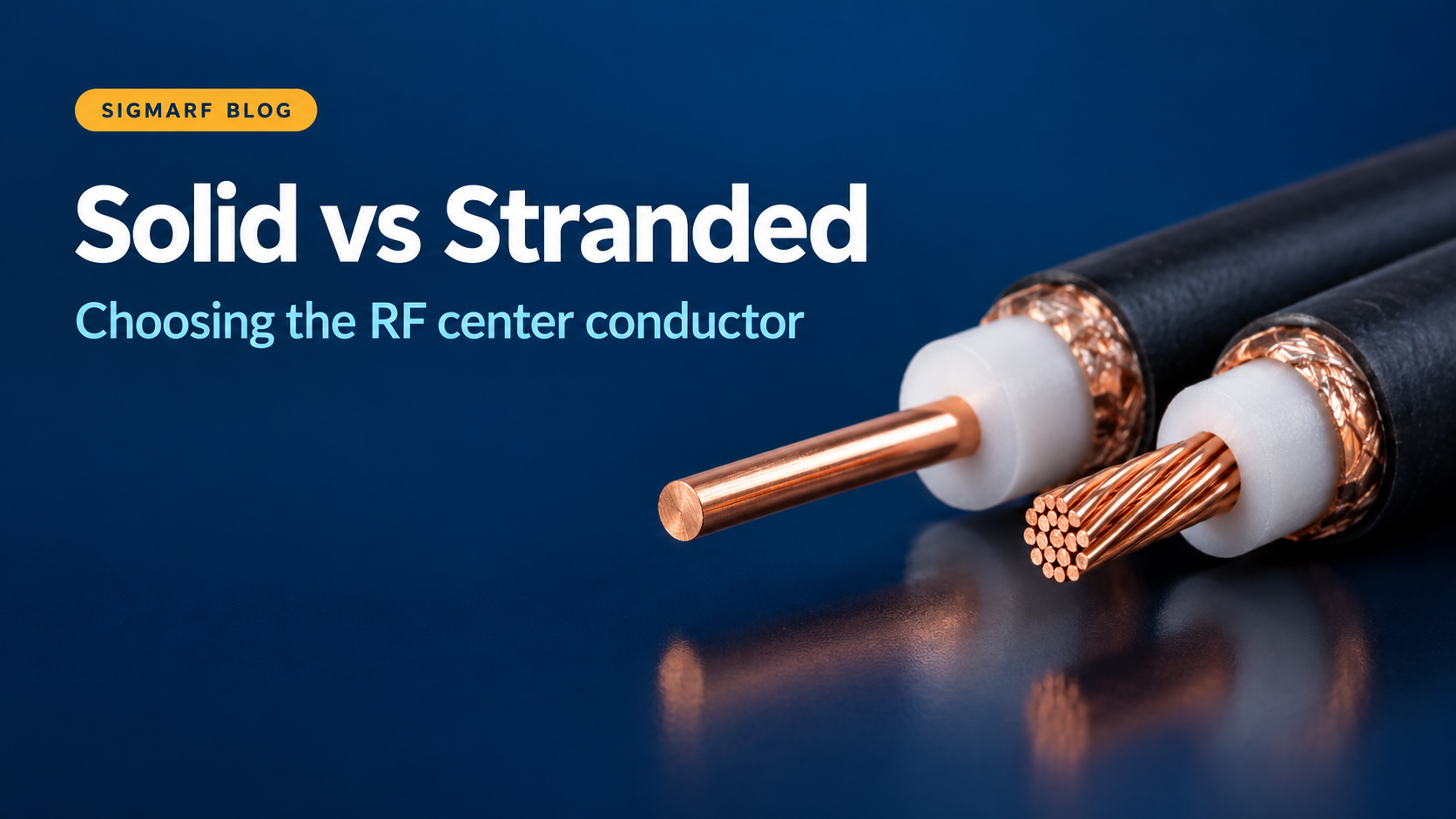
Solid vs Stranded Center Conductors: Which Is Better for RF Cables?
Two coaxial cables sit side by side with identical jackets, identical shields and identical connectors. One has a solid copper core, the other a bundle of fine strands. On a datasheet they look interchangeable, until one gets flexed five thousand… More
Posted on 11/4/2026